I recently bought a ToneX One pedal.
What do I think of it? Read on for my First Impressions.
Continue reading “First Impressions: ToneX One Modeller Pedal”
Tone. At Home.
Recording at home, recording your gigs … if it’s about capturing your music, it’s all in here.
I recently bought a ToneX One pedal.
What do I think of it? Read on for my First Impressions.
Continue reading “First Impressions: ToneX One Modeller Pedal”‘Studio Diary’ is an occasional series where I talk about building a home recording setup for hobbyists and enthusiasts like us. I share my personal experiences, and the thinking behind some of the decisions that I’ve made along the way.
Fractal Audio have recently overhauled their amp modelling in the Axe-FX 3 / FM-9 / FM-3. And my recent dive into the Orange Getaway Driver has shown me that I need to revoice my signal chain. I’m taking this as an opportunity to re-evaluate everything about the pedal preset I’ve built for the Axe-FX 3.
Before I get into detail about dialling in each amp and cab, I want to first discuss some more general things I’ve learned about impulse responses (IRs for short), and how that’s led me to some key decisions (or, if you prefer, design constraints) that I’m going to use to guide me as I dial in the amps and cabs.
Continue reading “Studio Diary #44: Key Decisions About Cab IRs”I’m just prepping the audio for an upcoming blog post, and I thought it would useful to document how I go about it …
… because there’s a couple of gotchas that I’ve run into, that I don’t want to forget about.
And if I didn’t know this, maybe it’ll help someone else who needs to do the same thing? Or maybe someone who knows better will see this and leave a comment with helpful advice?
Continue reading “Studio Diary #43: How I Level-Match Demo Tracks In Universal Audio’s LUNA”‘Studio Diary’ is an occasional series where I talk about building a home recording setup for hobbyists and enthusiasts like us. I share my personal experiences, and the thinking behind some of the decisions that I’ve made along the way.
This time around, I want to answer a question that nobody has asked me. Why am I using DAW plugins for delay and reverb, instead of my Axe-FX 3?
Read on if you’re interested in my thinking behind this decision. And if you’re not interested, no worries 🙂
Continue reading “Studio Diary #39: Why I Use DAW Plugins For Delay And Reverb On My #TweedTone Comparisons”Rather than do a ‘best of’ style post, every year I’m doing a rundown of what home studio gear I’ve used this year, and why.
Previous years: [2019] [2020] [2021]
Continue reading “2022 Review: Home Studio Gear”Making Music is where I share the process as I write, arrange, record and release my music. You’ll get to read it all: what went well, what really didn’t, the decisions I had to make along the way, and why I made them. I hope you find it useful!
This week, conditions are against me, so I need to come up with a new plan.
Continue reading “Making Music #3: We’re In Another Heat Wave”Making Music is where I share the process as I write, arrange, record and release my music. You’ll get to read it all: what went well, what really didn’t, the decisions I had to make along the way, and why I made them. I hope you find it useful!
When I’m recording music, my first step is to create a tempo / section block map. What is that, and how do I go about doing it?
Continue reading “Making Music #2: Blocking Out “Ragged Perceptions””#TweedTalk is my occasional Tuesday column, where I talk about all things related to tweed amps and tweed-tone pedals.
This time around, I share my notes on how I’m capturing the sound of my Tweed Deluxe amplifier, and my thoughts on the experience.
Continue reading “#TweedTalk 4: Recording A Real Tweed Deluxe Amplifier”When I was doing my research into studio monitors, there was a concept that kept coming up time and time again. All the pros said the same thing: you’ve got to learn the sound of your monitors in your space.
This week – almost 18 months after getting my studio monitors – I finally understand what that means.
Continue reading “Studio Diary #33: Things Are Clicking With My Studio Monitors”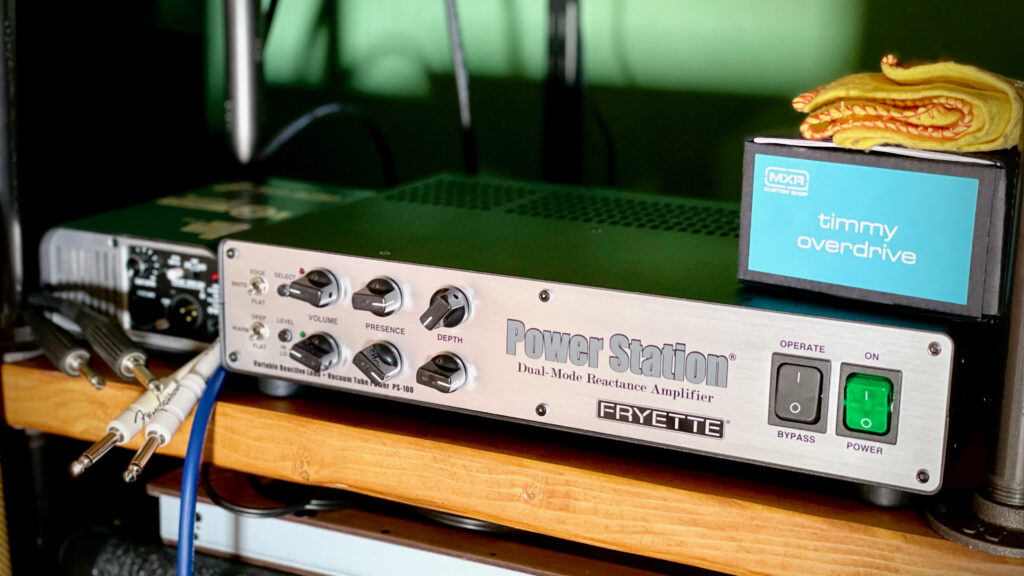
Attenuators are one of the reasons we can enjoy valve amps at home without upsetting the neighbours. I’ve never really thought about how they affect the overall tone … until now.
In this blog post, I’m going to look at the two attenuators that I have – the Two Notes Captor and the Fryette PS-100 Power Station – and work out what they sound like. And I’m including some sound samples, so that you can hear the differences for yourself.
Continue reading “Studio Diary #31: Attenuators Colour The Sound”